



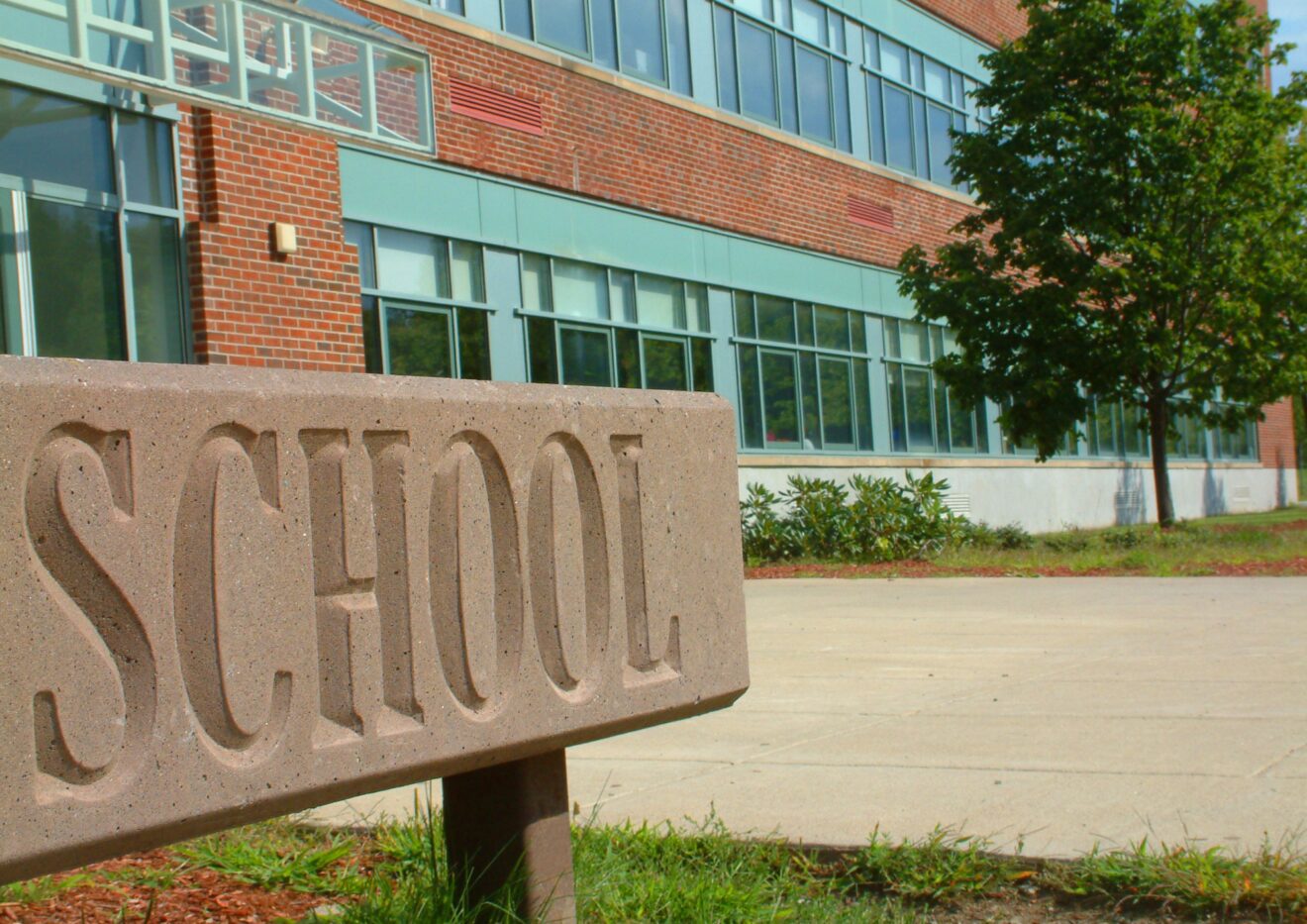

If you’re a parent in Toronto, you’ve probably heard the term school catchment area more than once. It sounds simple at first. You live on a certain street, your child goes to a certain school. Easy, right? Not always. Over time, school boundaries change, populations grow, and school boards adjust their plans. What worked five years ago may not work today. Understanding how school catchment areas change over time in Toronto can save families a lot of stress, confusion, and last-minute scrambling.
1. Why Catchment Areas Exist in the First Place
School catchment areas are designed to help school boards manage space fairly. Each local school is assigned a group of nearby streets where students are guaranteed a spot.
In theory, this keeps things organized. Children attend school close to home, buses are limited, and communities stay connected.
But Toronto is growing fast. New condos, townhouses, and houses mean more families, more children, and more pressure on most schools.
When classrooms fill up, the board has to act. Sometimes that means adding portables. Other times, it means changing the catchment boundaries.
Many parents don’t realize this can happen until they receive a letter in the mail. In fact, many parents are often unaware of potential changes to school catchment areas when purchasing homes, so it’s important to be careful and pay attention to any notice from the school board.
One year, your child is guaranteed a spot. The next, the school boundaries change.
It’s frustrating, especially if you chose your new home based on a specific school. Changing school boundaries can cause frustration, anger, and heartache for families. Parents are emotionally invested in their children’s current schools, making boundary changes particularly disruptive.
This is where awareness matters.
Knowing how the system works helps you plan better and avoid surprises.
2. What Causes Boundaries to Change
The biggest reason for change is population growth.
When a neighborhood adds hundreds of new residents, schools feel the pressure fast.
More kids mean more classrooms. If there isn’t enough space, something has to give. New residential developments and high-rise condominium projects can trigger boundary changes if local schools cannot accommodate the increased student population, often leading to the redirection of students to schools outside their immediate area.
Sometimes the solution is portables. Other times, it’s redrawing the map.
School boards also look at long-term capacity.
If one school is packed and another nearby has open seats, boundaries may shift to balance things out. Too many students can impact learning quality. Some schools in Toronto are over capacity and may require boundary changes to accommodate students—this is currently happening in some neighborhoods.
Another factor is new school construction.
When a new school opens, nearby streets may be reassigned.
This can affect kindergarten, middle school, and even grade school students.
Programs like French Immersion also impact boundaries.
Not every school offers the same programs, so boards adjust to meet demand.
And yes, community input matters too.
Parents can attend a public meeting, share opinions, and submit comments.
It doesn’t always change the outcome, but voices are heard.
3. A Real Example: Garden Avenue School
Let’s talk about a real-world example many Toronto parents recognize: Garden Avenue Public School.
Over the years, Garden Avenue School has seen growing enrollment.
New condos, young families, and rising birth rates increased the number of students.
The school reached capacity.
First came portables. Then came discussions about boundary changes.
Parents were invited to a public meeting.
Some supported the plan. Others were upset.
A few families had boys and girls already settled there.
They didn’t want to move their kid to a different school. Families may feel heartbroken when they realize their children will not attend the school they expected, and parents often resist changes to school boundaries, especially when they have made decisions based on the existing boundaries.
But the board had to think about long-term balance. Sometimes, the board is forced to make difficult decisions that disrupt families, and arriving at a compromise is important to balance the needs of the community.
Nearby schools had extra room.
So the catchment area shifted.
Some streets were reassigned.
New families moving into the area were affected the most.
Their address no longer guaranteed entry.
After the public meeting, the final boundary changes must be accepted by the school board before they are implemented.
This shows how quickly things can change — even in well-established neighborhoods. Boundary changes can also lead to logistical challenges for families, such as managing multiple school drop-offs.
4. How Parents and Buyers Are Affected
For many parents, school boundaries feel personal.
Your child’s school is more than a building. It’s friendships, routines, and memories.
When boundaries change, it can feel unfair.
Especially if you moved for a “guaranteed” spot.
For buyers, this is just as important.
Real estate decisions are often tied to local schools.
Some families even pay a premium to live in certain zones. Buying a home in a desirable school catchment area can command a premium in the real estate market, and school catchment boundaries significantly influence real estate values in Toronto. Families generally account for school zones when searching for a new home, as homes within high-demand school catchment areas generally sell faster and at a premium price.
But nothing is permanent.
Catchment areas can change from year to year.
That’s why it’s important to check the most recent map.
Don’t rely on old information.
School boards usually post updates in April or before September.
Always confirm before you buy.
This simple step can save a lot of stress.
Practical Tips for Parents
- Check school board maps yearly
- Attend public meetings
- Read board letters carefully
- Ask about long-term plans
- Have a backup school option
- Talk to neighbors
- Stay flexible
Planning ahead makes change easier to handle.
5. The Role of School Boards
Every school board has one main goal: fairness.
They want to accommodate as many students as possible.
They look at capacity, safety, and access.
They review population trends.
They consider logistics like walking distance and traffic flow.
It’s not just about numbers.
It’s about making sure every child has a safe place to learn.
Boards also try to avoid overcrowding.
Too many students can impact learning quality.
So when boundaries shift, it’s usually for long-term balance.
Even if it feels inconvenient at first.
6. How Often Do Boundaries Change?
There’s no fixed schedule.
Some areas stay the same for years.
Others change more often.
Fast-growing neighborhoods see the most movement.
Downtown areas with new condos are common examples.
More homes equal more kids.
And more kids mean more adjustments.
That’s why parents should never assume things will stay the same forever.
7. What to Expect During a Boundary Review
When changes are being considered, school boards usually:
• Release a post online
• Share a proposed map
• Host a public meeting
• Accept community comment
• Finalize decisions by a set date
Families are informed through letters or emails.
This is the time to ask questions.
Speak up.
Understanding the process makes it less overwhelming.
8. How French Immersion Impacts Catchment Areas
French Immersion programs often have different boundaries.
Not every school offers them.
So boards adjust zones to make access fair.
This can mean longer travel for some students.
Parents should always check program-specific boundaries.
They don’t always match the regular school zones.
9. What Happens If Your Child Is Affected
If your child is already attending a school, they’re usually allowed to stay.
The changes mostly affect new students.
But transportation and logistics may change.
This is why reading the board’s letter carefully matters.
Ask questions early.
The more informed you are, the smoother the transition.
10. Buying a Home Based on School Zones
It’s common for families to choose a house based on schools.
But remember — boundaries can change.
Use school zones as a guide, not a guarantee.
Always look at long-term trends.
Before making a home purchase, use online search tools such as address search or search by home address to find the most up-to-date school catchment information.
Ask about planned developments.
More condos often mean future changes.
11. Community Reactions to Change
Change brings mixed reactions.
Some residents support it. A key point of concern is the impact on children’s friendships and routines.
Others feel frustrated.
Parents worry about their children. Parents often express frustration and concern when school boundary changes are proposed.
Buyers worry about property value.
But over time, most communities adjust.
New schools open.
Programs expand.
Balance is restored.
12. How to Stay Informed
Stay connected with your school board.
Follow their website.
Read updates.
Join parent groups.
Ask questions.
Knowledge reduces stress.
13. The Bigger Picture
Toronto is growing.
That growth brings challenges.
But it also brings opportunity.
More schools.
More programs.
More community resources.
Canada is often seen as a model for diversity and inclusion, and these values are reflected in Toronto’s efforts to create fair and harmonious school communities, even as changing catchment boundaries present challenges.
Change is part of progress.
14. Why Flexibility Matters
Families who adapt do best.
Sometimes, after a boundary change, families may only have a couple of weeks or months to adjust to new school assignments.
Having backup plans helps.
Being open to different schools reduces anxiety.
Your child can thrive in many environments.
15. Planning for the Future
Think long-term.
Ask about future developments.
Understand your neighborhood’s growth.
Prepare for change.
It’s part of city living.
Related Blogs on Our Site
If you found this helpful, you may also enjoy:
- The Impact of Rising Interest Rates on Different Toronto Buyer Segments
- Downsizing Made Simple: Navigating the Transition in Toronto
- How to Get Your Home Market-Ready Before the Summer
Conclusion
School catchment areas in Toronto are always evolving. Population growth, new housing, and changing student needs all play a role. While this can feel frustrating, understanding how school catchment areas change over time in Toronto helps parents and buyers make smarter decisions. By staying informed, attending public meetings, and planning ahead, families can navigate these changes with confidence.
If you’re buying, selling, or moving within the GTA and want expert guidance on how school zones may impact your decision, our team at Bahia Realty Group Inc. is here to help.
📞 416-498-3444
📧 jas@thebahiateam.com
🌐 www.bahiarealtygroupinc.com
Let’s make your next move informed, strategic, and stress-free.