



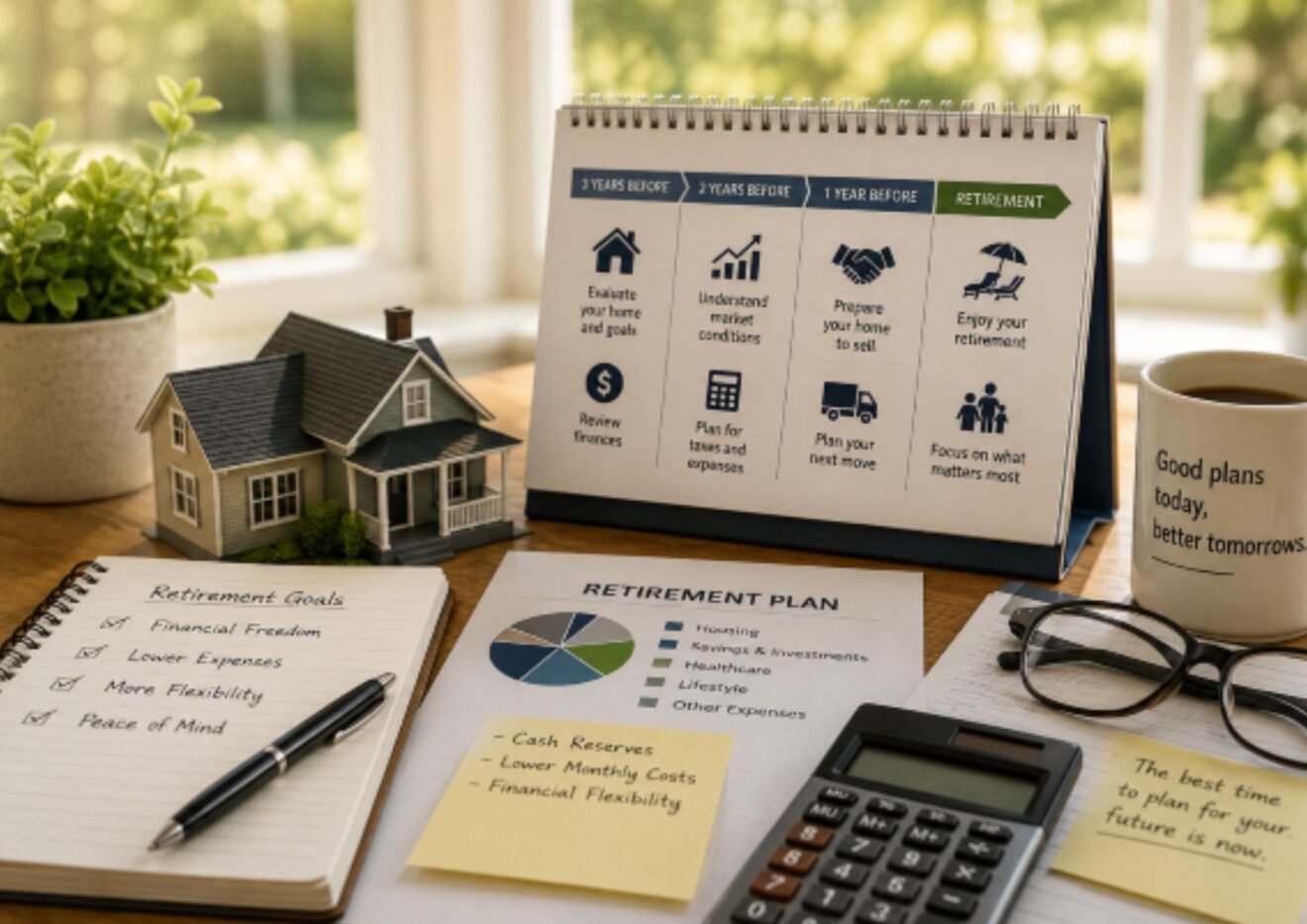

Retirement is one of life’s biggest transitions. For many homeowners, the family house is their most valuable asset, and deciding when to sell before retirement can have a major impact on long-term financial security. The question is not simply whether to sell. The real question is: when is the best time to sell before retirement? The answer depends on your retirement plan, financial situation, lifestyle goals, health, and the real estate market. Done correctly, selling a home before retirement can unlock home equity, reduce expenses, improve financial flexibility, and help create a retirement budget that supports the next 20 to 30 years of life.
Why Timing Matters More Than Most People Think
Many people focus on the sale itself rather than the timing.
The truth is that timing can dramatically influence how much money you keep, how much stress you experience, and how prepared you are for retirement. Selling at the right time can strengthen your financial plan and provide the cash reserves needed for the early years after you stop working, but the decision also depends on your age and other factors, not just the market or a target retirement date.
Retirement Can Last Longer Than Expected
Modern retirees often need their retirement savings to last 20 to 30 years.
That means every housing decision matters. A home that was perfect for raising children may not be the best fit for a retirement lifestyle. Large houses often come with higher monthly costs, maintenance expenses, insurance, utilities, and property taxes.
Planning ahead gives homeowners more options.
Selling One to Three Years Before Retirement
Financial experts often suggest selling assets one to three years before retirement.
This approach can provide greater financial flexibility and reduce pressure. It allows homeowners to sell while they still have employment income, financing options, and time to decide deliberately rather than under pressure.
Waiting until the last minute can force rushed decisions. Planning early gives you more time to deal with repairs, logistics, or downsizing choices before retirement.
Unlocking Home Equity Before You Retire
For many families, a significant portion of their net worth is tied to their current home.
Selling before retirement can free up substantial home equity. Those proceeds can then be redirected into a retirement account, other investments, cash reserves, or used to pay cash for your next home instead of carrying a loan in retirement.
This can strengthen your overall financial position before retirement begins.
Downsizing Can Reduce Your Retirement Budget Monthly Expenses
More than half of adults plan to downsize in retirement.
There is a good reason for this trend. Downsizing often reduces mortgage obligations, utility bills, homeowners insurance, maintenance costs, and property taxes.
A smaller house can provide many of the same comforts while helping lower expenses. For many retirees, moving to a smaller home is a practical idea when the goal is to reduce ongoing housing costs.
The Cost of Maintaining a Larger Home
Many homeowners underestimate how much money they spend maintaining their property.
Industry estimates suggest that average annual home maintenance costs are approximately 2.5% of a home’s value. On a $1,000,000 property, that could mean $25,000 per year in maintenance, repairs, landscaping, and upkeep.
Those costs continue long after the mortgage is gone.
Selling Before Qualified Medical Expenses Become a Factor
Health is one of the most overlooked factors in retirement planning.
Nearly 70% of people turning 65 will require some form of long-term care during their lifetime. Medicare does not generally cover long-term care expenses, and Medicare beneficiaries should prepare for significant out-of-pocket healthcare costs. Medicare Part B premiums range from $202.90 to $689.90 in 2026. Some retirees also compare original Medicare with Medicare Advantage for broader coverage options. HSA contributions can be made until age 65 and then used tax-free for qualified medical expenses in retirement.
Selling before health concerns arise often provides more control and more housing options.
Why Low-Maintenance Living Appeals to Retirees
Many retirees eventually seek homes with fewer responsibilities.
A low-maintenance condo, townhouse, or smaller home may eliminate many of the projects associated with larger properties. Less time spent on maintenance often means more time enjoying family, hobbies, travel, and retirement benefits.
For many retirees, this lifestyle shift makes more sense than maintaining unused space.
Understanding Tax Considerations Before Selling
Tax planning should be part of every retirement discussion.
Evaluating capital gains taxes before selling property is important. Under certain conditions, homeowners may be able to exclude capital gains from income after meeting ownership and occupancy requirements. Selling investment property can trigger both capital gains tax and depreciation recapture.
A tax professional can help evaluate these issues, but this article does not provide tax advice specific to every situation.
Selling During Lower-Income Years
Some homeowners choose to sell during years when their income is lower.
Selling during low-income years may allow for qualified lower capital gains tax rates. Similarly, selling appreciated stocks during low-income years can sometimes qualify for the 0% long-term capital gains tax bracket.
Every financial situation is different, which is why professional advice matters.
The Impact of Carrying Debt Into Retirement
Carrying significant debt into retirement can limit financial flexibility.
Mortgage payments, personal loans, and lines of credit all reduce available cash flow. Selling a larger property and purchasing a smaller home can sometimes eliminate debt and improve monthly finances.
The less money required for housing, the more freedom retirees often have.
Separating Retirement From the Home Sale
Many homeowners make the mistake of trying to retire and move simultaneously.
While possible, it can create unnecessary stress. Selling a home after moving often allows for better staging, easier showings, and a more attractive presentation to buyers.
Separating the stress of selling a house from retiring can prevent burnout during an already emotional transition.
Market Conditions Still Matter
Even when retirement is approaching, market timing should not be ignored.
Selling in a high-demand market can maximize property value and increase available funds for retirement. But while market conditions matter, do not automatically wait for a perfect market if your retirement timing, health, or housing goals point to acting sooner. Waiting too long to sell can sometimes lead to lower sales prices, especially if maintenance has been deferred or health challenges make preparing the property more difficult.
A local real estate agent can help evaluate market conditions.
Should You Sell Before or After Retirement?
There is no universal answer.
Selling before retirement often provides financial flexibility, access to cash reserves, and more housing options. Selling after retirement may work well for homeowners with stable housing needs, strong retirement savings, and a desire to remain in their current home for several more years. Homeowners should also consider social security timing, since claiming Social Security at 62 reduces benefits by 8% annually, while full retirement age and your planned retirement age can materially change monthly benefit levels.
The right choice depends on your goals.
Questions to Ask Yourself Before Deciding
Before you decide, ask yourself:
- Does my current home still fit my lifestyle?
- Can I comfortably afford future maintenance costs?
- How much home equity do I have?
- What does my retirement budget look like?
- Will my fixed income sources cover housing and healthcare costs?
- Will I need additional cash reserves?
- Do I want a smaller home or condo?
- What role will family play in future housing decisions?
- Can I name one example of what I want retirement life to look like, and does this home still support it?
- Am I prepared for future healthcare expenses?
- Would selling now make it easier to choose my next home before health or market pressures increase?
The answers can provide clarity.
Practical Action Steps for Future Retirees
If retirement is on the horizon, consider taking the following steps:
- Meet with a financial advisor to review your retirement plan.
- Review whether you should maximize workplace retirement contributions; in 2026, you can contribute up to $24,500 to a 401(k).
- Review IRA options, including a traditional IRA, as part of your retirement savings planning.
- Consult a tax professional regarding tax ramifications.
- Calculate your total monthly housing costs.
- Review homeowners insurance, property taxes, and maintenance expenses.
- Determine how much cash you may need during the first three to five years of retirement.
- Explore downsizing opportunities.
- Evaluate whether a smaller home aligns with your long-term goals.
- Speak with a trusted real estate professional about current market conditions.
Planning early often produces the best outcomes.
Retirement Plan: Planning Is About More Than Money
Retirement is not simply a financial event.
It is a lifestyle transition. Some homeowners want to travel. Others want to spend more time with children and grandchildren. Some want the freedom to pursue hobbies without worrying about maintenance, repairs, or property upkeep.
Your housing decision should support the life you want to live.
Related Articles From Our Blog
If you’re planning for retirement, downsizing, or evaluating your next move, you may also enjoy:
- How Adult-Living Communities Are Redefining Retirement Living in the Toronto Area
- What to Look for When Buying Into an Adult-Living Community in Ontario
- The Best 55 and Adult Living Condos in the Greater Toronto Area: A Complete Buyer’s Guide
Conclusion
When is the best time to sell before retirement? In most cases, the answer is before the pressure of retirement forces the decision. Selling one to three years before retirement can unlock home equity, reduce expenses, strengthen your financial plan, and provide greater flexibility for the future. Whether your goal is downsizing, reducing maintenance, improving cash flow, or simplifying your lifestyle, thoughtful planning can make a significant difference. If you’re considering selling before retirement and would like personalized guidance on your options, contact Bahia Realty Group Inc. We would be happy to help you evaluate your home, understand current market conditions, and create a strategy that supports your retirement goals.
📞 416-498-3444
📧 jas@thebahiateam.com
🌐 www.bahiarealtygroupinc.com