



Introduction
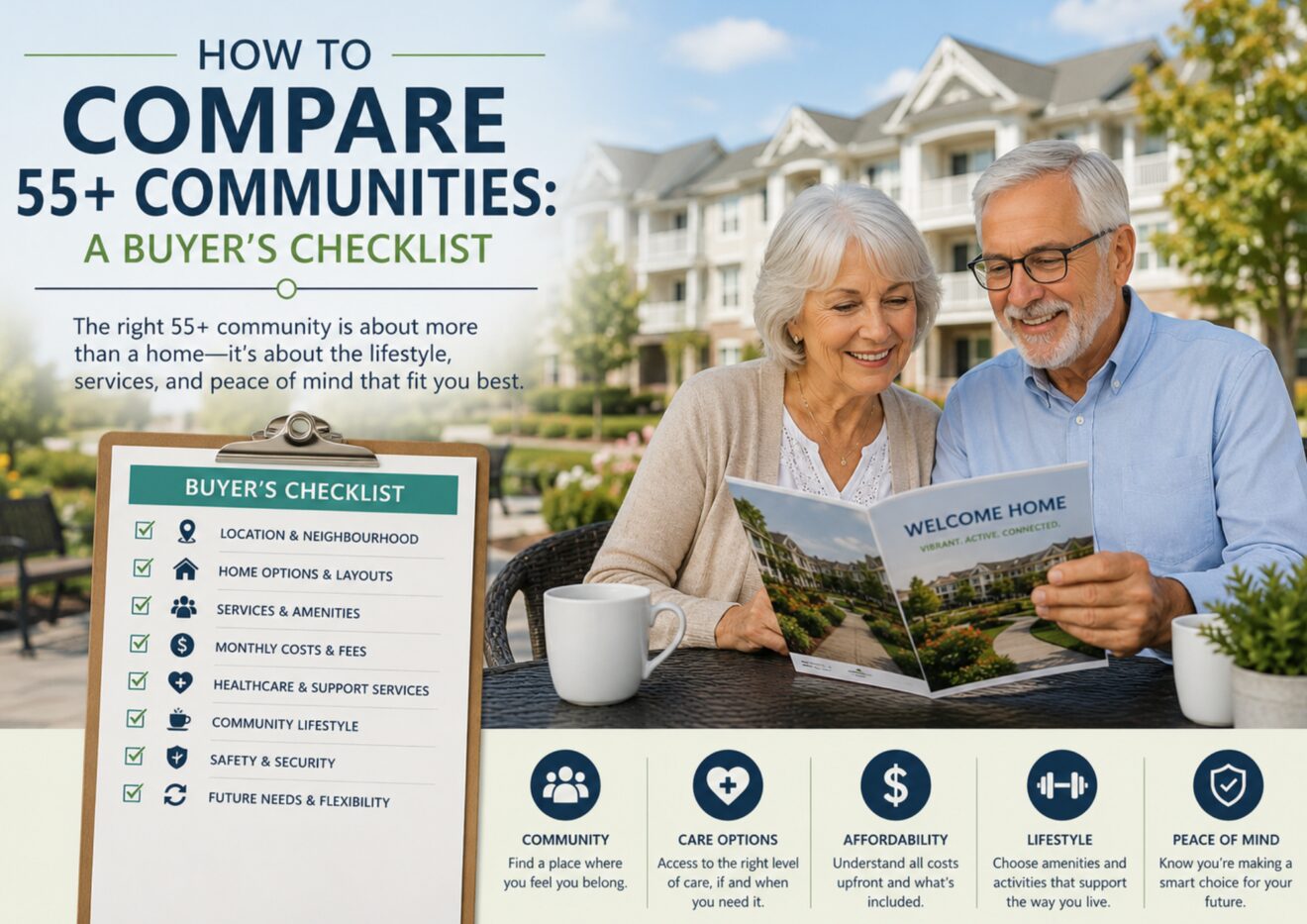
Choosing a new home is one of life’s biggest decisions, and it becomes even more meaningful when you’re planning for retirement. This guide is for buyers considering a move to a 55+ community who want a comprehensive checklist to compare their options. Choosing the right 55+ community can impact your lifestyle, finances, and long-term happiness. If you’re wondering how to compare 55 communities: a buyer’s checklist, start by weighing the key factors side by side: community type, lifestyle fit, amenities, location, healthcare access, total monthly costs, HOA financial health, community rules, future accessibility, and resale value. A 55 community isn’t just a place to live—it’s where you’ll spend your mornings, build friendships, pursue hobbies, and enjoy your golden years.
For buyers considering a home in active adult communities or another retirement community, that comparison matters because these neighborhoods may look similar at first glance but can vary widely in cost, policies, services, and overall atmosphere. The right choice should support the way you want to live now while protecting your comfort, finances, and flexibility later. This checklist walks you through the key factors to review before making an offer, including pet and rental policies, the HOA’s financial condition, nearby healthcare, and the practical details that shape daily life in your next chapter.
1. Start by Understanding the Different Types of 55+ Communities
The Three Main Types of 55+ Communities
Three main types of 55+ communities exist: active adult, age-qualified, and Continuing Care Retirement Communities (CCRCs). Here’s a brief definition of each:
- Active Adult Communities: Focus on independent living with lifestyle amenities. These communities are designed for healthy, active residents who want a low-maintenance lifestyle without built-in care services.
- Age-Qualified Communities: Have fewer amenities and lower HOA fees. These typically offer a quieter environment with fewer shared facilities, resulting in reduced monthly expenses.
- CCRCs (Continuing Care Retirement Communities): Provide multiple care levels for residents as needs change. CCRCs offer a continuum of care, including independent living, assisted living, and memory care, allowing residents to remain in the same community as their needs evolve.
Comparing Housing Options
Understanding these differences helps narrow your search and ensures you’re comparing similar housing options—including condos, townhomes, and single-family homes—rather than completely different living arrangements.
2. Evaluate Whether the Community Fits Your Lifestyle
Assessing Community Activities and Social Life
A beautiful home means very little if the surrounding community doesn’t match how you want to spend your days.
Some buyers dream of early morning golf, afternoon fitness classes, and evenings filled with community dinners. Others simply want a quieter environment, peaceful walking trails, and time to relax with friends.
Reviewing Events and Clubs
The best active adult neighborhoods create opportunities for social engagement without making participation feel mandatory. Review the community’s:
- Events calendar
- Clubs and volunteer opportunities
- Recreational activities
See whether the available activities genuinely reflect your interests. These features can also strengthen social connection for residents.
Remember, matching activities to your interests is a key aspect of choosing the right community, whether it offers condos, townhomes, or single-family homes. Your daily life should feel enjoyable—not scheduled around amenities you’ll never use.
3. Compare the Amenities That Matter Most
Types of Amenities
Every brochure highlights impressive resort style amenities, but not every feature adds value for every buyer. Many communities offer access to:
- Fitness centers
- Swimming pools
- Tennis courts
- Golf courses
- Parks and walking trails
- Hobby rooms
- Libraries
- Cultural spaces
- Wellness services
- Organized exercise programs
- Concierge services
Deciding What Matters to You
The key is asking one simple question:
“Will I actually use these amenities?”
Amenities should realistically match the lifestyle fit you’re looking for. A buyer who enjoys outdoor recreation may value nearby trails and parks, while another may prioritize hobby workshops or educational seminars.
Many buyers also appreciate shared amenities that encourage regular interaction with neighbors, creating a strong sense of belonging within the community.
4. Look Beyond the Home and Evaluate the Location
Proximity to Essential Services
Even the perfect home can become frustrating if buyers don’t assess both the immediate location and the surrounding area.
The community’s proximity to essential services plays a significant role in long-term satisfaction. Access to healthcare facilities is critical when choosing a 55-plus community, and studies show that 56% of adults aged 50 and older prioritize high-quality health facilities when deciding where to live.
Look for:
- Medical services
- Hospitals
- Specialists
- Pharmacies
- Other medical facilities nearby
Having quality medical care nearby can provide confidence that help is available whenever it’s needed—for both you and your loved ones.
Everyday Conveniences
The ideal good location should also place you close to:
- Grocery stores
- Restaurants
- Shopping
- Banking
- Parks
- Public transit
These conveniences make everyday errands simpler while helping maintain independence for years to come.
5. Understand the True Monthly Cost of Living
HOA Fees
One of the biggest mistakes buyers make is focusing only on the home price.
Owning property in a retirement community involves several ongoing expenses beyond your mortgage payment.
For many buyers, HOA fees typically range from $200 to $700 monthly, depending on the amenities and services provided. Some communities charge additional fees for premium facilities, and optional meal plans may also raise monthly costs, while others may introduce special assessments for unexpected repairs or major projects.
Maintenance Costs
Your total monthly costs include HOA fees, property taxes, and maintenance. If you’re purchasing a detached home, remember that the average annual maintenance cost for single-family homes is approximately $10,593, even when some exterior maintenance is included.
CCRC Monthly Fees
Buyers considering CCRCs should also understand that monthly fees can range from $3,000 to $10,000, depending on the level of care and services provided.
Calculating Total Expenses
Before purchasing, calculate every recurring expense so there are no surprises after you move in.
6. Review the HOA’s Financial Health
Reserve Funds and Financial Statements
A community’s appearance tells only part of the story. Its financial health is equally important.
Healthy communities maintain reserve funds that help pay for future repairs without placing unexpected financial burdens on homeowners.
Before buying:
- Request the reserve study and current reserve balance
- Review the history of fee increases
Communities with healthy reserves are generally safer long-term investments because they’re better prepared for roof replacements, road repairs, clubhouse renovations, and other major projects.
Fee-Increase History
Fee-increase history is crucial for evaluating HOA health, and a thinly funded reserve fund can lead to surprise bills through costly special assessments.
Don’t hesitate to ask your real estate agent for assistance reviewing financial statements. A knowledgeable professional can help you identify warning signs that may not be obvious to first-time buyers.
7. Understand the Community Rules Before You Buy
Age Restrictions
Every age restricted community has its own set of expectations, and understanding them before making an offer is essential.
Community rules are designed to protect property values and uphold community standards that maintain a consistent living environment. Pay close attention to the age restriction policy. In most communities, at least 80% of occupied units must have a resident aged 55 or older, although some communities allow younger spouses or a limited number of residents below the minimum age.
Guest Policies
You should also ask about guest policies. Some age restricted communities limit how long visitors can stay, while others require guests to register if they remain for an extended period. Understanding these policies ahead of time is a key aspect of avoiding misunderstandings after you move in.
Community Standards
Community rules often include guidelines about:
- Property appearance
- Landscaping
- Parking
- Holiday decorations
- Noise
- Visitor policies
- Shared spaces
8. Review Pet Policies and Rental Restrictions
Pet Policies
For many buyers, pets are family members.
However, many community associations have detailed pet policies regarding:
- Breed
- Size
- Weight
- Number of pets permitted
If you own a dog or are considering getting one in the future, make sure the rules fit your plans.
Rental Restrictions
It’s equally important to review rental restrictions. Some communities:
- Prohibit rentals altogether
- Limit how frequently homes can be leased
- Require minimum rental terms
These restrictions often exist to maintain a higher percentage of owner-occupied homes, which can positively affect neighborhood stability and long-term property values.
Understanding these rules today can help prevent disappointment tomorrow.
9. Think About Accessibility for the Future
Home Design for Aging in Place
Many buyers shop for the lifestyle they have today instead of the one they may need ten or twenty years from now.
The best homes are designed to adapt with you. Look for:
- Single-level floor plans
- Step-free entrances
- Wider hallways
- Spacious bathrooms
- Layouts that support mobility if your needs change over time
Home design should consider accessibility and single-level living for aging residents. Even if you’re perfectly healthy today, planning ahead allows you to remain comfortable and live independently longer.
Future Needs Assessment
Your future needs assessment should also include:
- Changing mobility
- Transportation options
- Community’s proximity to healthcare providers
Buying with the future in mind is one of the smartest investments you can make.
10. Consider Resale Value Before You Purchase
Understanding Resale Potential
Although retirement may feel permanent, life has a way of changing.
Some buyers relocate to be closer to family. Others move for health reasons or simply decide they want a different lifestyle. That’s why resale value deserves careful consideration.
Ask your real estate agent about:
- Recent sales
- Buyer demand
- Average days on market
- Resale history within the 55 community
Factors Affecting Resale Value
Resale potential involves understanding buyer demand and community restrictions. Homes with:
- Desirable layouts
- Modern finishes
- Attractive shared amenities
- A good location
generally perform better than similar homes elsewhere.
Even if you expect to stay for many years, buying wisely today helps protect your investment tomorrow.
11. Visit More Than Once and Talk to Residents
A single showing only tells part of the story.
Multiple Visits
Visit the community during different times of the week and different times of day. Morning, afternoon, and evening visits often reveal different aspects of daily living. If available, tour the model homes to get a clearer sense of layouts, finishes, and included features.
Resident Insights
Take time to speak with current residents whenever possible. Ask what they enjoy most, whether management is responsive, how active the social life really is, and whether they would buy there again.
Residents often provide more insights than any sales brochure ever could.
You’ll also get a better feel for whether the atmosphere matches your personality. Some communities are highly active and energetic, while others offer a quieter pace. Neither is better—it simply depends on the lifestyle fit you’re looking for.
12. Bring Everything Together Before Making Your Decision
By now, you’ve probably toured several properties, compared many communities, and gathered plenty of information.
Creating Your Comparison Checklist
Instead of focusing on one feature, evaluate the complete picture. Compare:
- Ownership type
- Monthly costs
- Amenities
- Security features
- Healthcare access
- Financial health
- Future maintenance
- Community atmosphere
- Long-term affordability
Create a simple checklist that scores each community in categories that matter most to you. This approach makes comparing properties much easier and helps remove emotion from the decision.
When you’re confident that a community supports your budget, interests, health, and long-term goals, you’ll know you’ve found the right place to begin your next chapter.
Practical Checklist Before You Make an Offer
Before purchasing, make sure you have completed the following:
- Confirm the age requirements and age restrictions.
- Review all community rules, including quiet hours, guest policies, and pet regulations.
- Understand all monthly fees, property taxes, maintenance responsibilities, and possible special assessments.
- Request the HOA reserve study and reserve balance.
- Review the community’s fee increase history.
- Compare nearby medical services, pharmacies, hospitals, and grocery stores.
- Visit the community multiple times.
- Speak with current residents.
- Evaluate accessibility features for future mobility needs.
- Compare resale history and market demand with your real estate agent.
A little extra research today can save you significant stress and expense in the future.
Related Articles You May Enjoy
If you’re researching retirement living, these Bahia Realty Group articles may also be helpful:
- When Is the Best Time to Sell Before Retirement
- Top Adult-Living Communities in the GTA
- What to Look for When Buying Into an Adult-Living Community in Ontario
Conclusion
Finding the right 55+ community isn’t about choosing the newest clubhouse or the biggest fitness center. It’s about finding a place where you can enjoy an active lifestyle, feel financially secure, and build meaningful connections with neighbors who are at a similar stage of life. By comparing ownership types, community rules, healthcare access, financial health, amenities, monthly expenses, and future resale potential, you’ll be able to make a confident and informed decision. The right retirement community should support your independence today while giving you peace of mind for the years ahead.
If you’re considering buying or selling in a 55+ community anywhere in Ontario, the team at Bahia Realty Group Inc. is here to help. We understand the unique considerations of age-restricted communities and can guide you through every step of the process with honest advice and local expertise.
Bahia Realty Group Inc.
📞 416-498-3444
📧 jas@thebahiateam.com
🌐 www.bahiarealtygroupinc.com
We’re here to help you find the community that feels like home for your next chapter.